Keratin protects youfrom yourself.
Damaged hair doesn’t look good on its own — so you do more to it. That’s the cycle. This is how it stops.
Here’s what a keratin treatment does for it:What It Actually Is
The cycle nobody tells you about
Over-processed hair doesn’t wash and go and look good. So you do more to it. Curly, that means a lot of mechanical manipulation. Smooth, that means a lot of heat.
And every bit of that adds damage to hair that was already compromised. The worse it looks, the more you do. The more you do, the worse it looks.
What Keratin Does About It
So here’s what a treatment actually changes
That’s the problem. This is what we do about it — four things you should expect from a keratin treatment on over-processed hair.
Open What You Need
The honest answers
What counts as over-processed?More things than most people expect
- High lift color on dark hair. We see a lot of women with naturally jet black or level 2 hair who’ve been told high lift isn’t damaging. It is — it opens the cuticle considerably.
- Bleach and highlights. The obvious one.
- Heat. Even when there’s no visible damage to your pattern, heat causes internal damage that makes hair far more prone to breakage.
- Previous keratin treatments that were done badly elsewhere.
- Previous straightening — Japanese, Yuko, nanoplasty.
- Previously relaxed hair.
We need your full hair historyIt decides everything about your treatment
Your history determines the formula we choose, how long it stays on, and how much heat we use. There is no way to make those decisions safely without it.
Tell us everything — professional or at home, in the US or abroad, however long ago. If you don’t know what was used, tell us what you do remember.
Expect a gentler introductionSet your expectations here, not in the chair
Every hair has a history — but when we’re not working on virgin hair, we get extra careful. We can’t help ourselves.
That means your treatment may not last as long. We simply can’t use the time and the heat on processed hair that we could on healthy hair, and that shortens how long it holds.
Why don’t I see this on your TikTok?We work on it constantly
Most of what you see on our social media is work on relatively healthy hair. That isn’t because over-processed hair is rare for us — we see it constantly.
When we show the real journey, we get a lot of negative comments. People assume the damage was ours, when we’re the ones repairing it. So we show it less than we actually do it.
See It
The work we don’t post often
Two over-processed clients, and what a careful treatment does for hair that’s been through a lot.
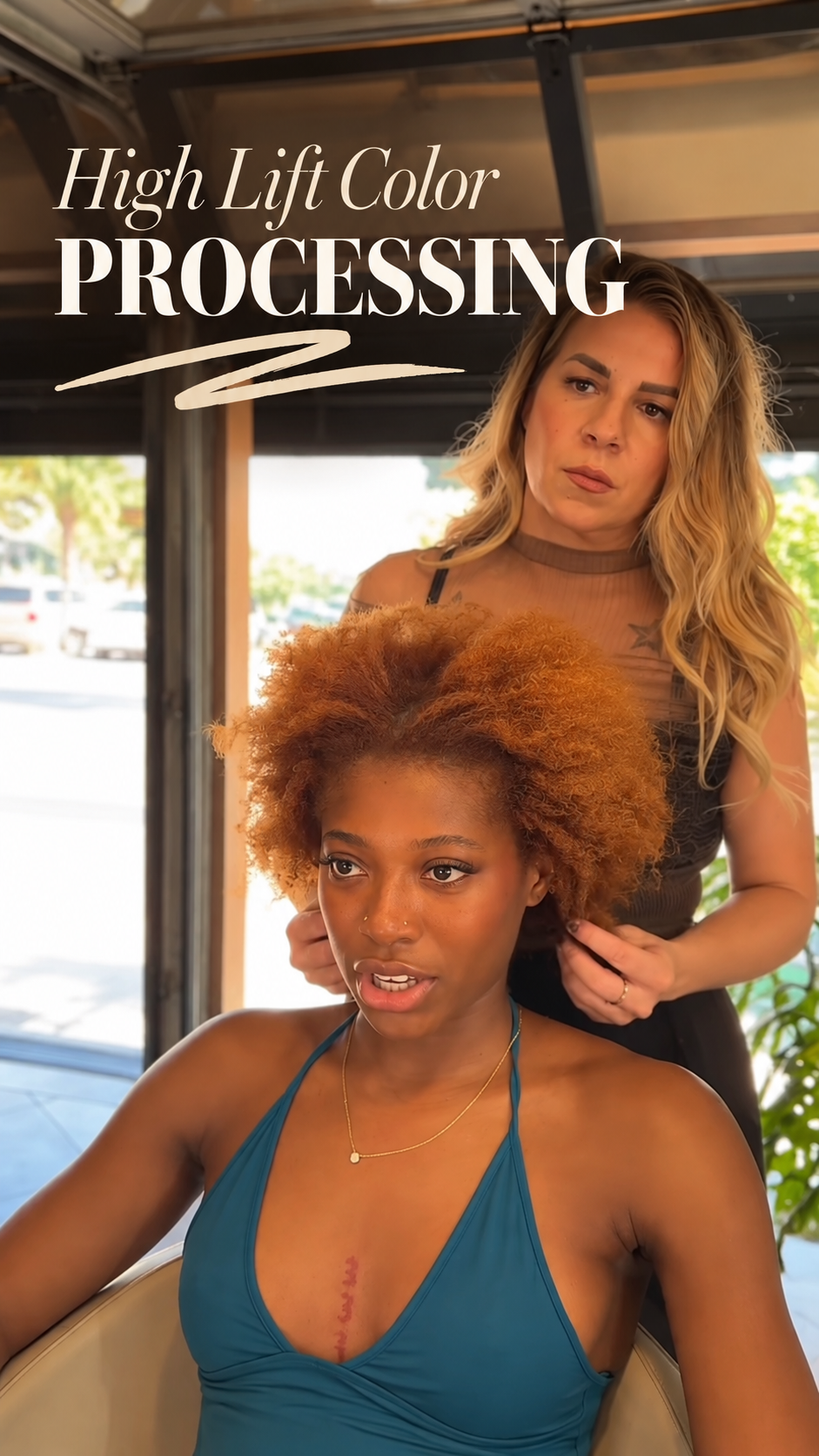
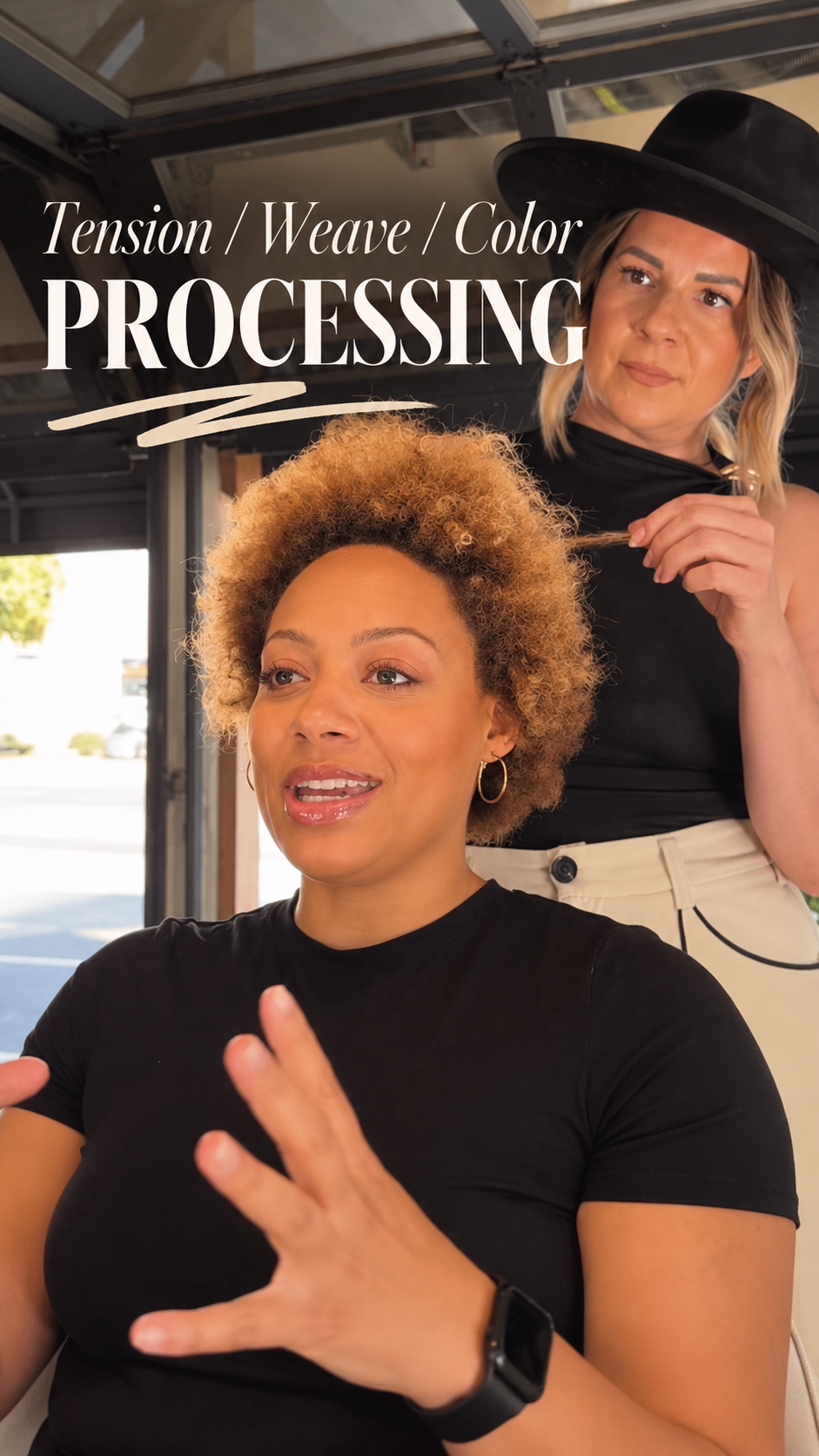
It gets better every single time
Each treatment leaves your hair a little stronger, which means the next one can go a little further. If you want to talk it through first, a free virtual consult is the easiest place to start.
Your hair’s integrity comes first here. Every time, even when it means a softer result.